
Reshaping How Developers Experience Cloud Computing
My tenure as Director of UX at AWS was a system-level transformation of the AWS experience layer, addressing one of the most complex software environments ever built. The key element was an amazing team — and while I was sometimes an individual contributor, many of the contributions were directly driven by the talent on staff.
While the images don't represent an immediate transformation, for customers a series of focused changes — including the delivery of the Polaris Design System across all assets — greatly moved the needle. This work continues from this excellent team today.
AWS didn't lack features — it lacked coherence. The goal as a team effort was to scale design quality horizontally across the entire platform.
UX Systems Across AWS
AWS historically evolved as siloed services, leading to a fragmented UX. Our leadership focused on shared interaction patterns, standard layouts and UI behaviors, and consistent navigation paradigms — reducing relearning between services and building a stronger unified platform experience.
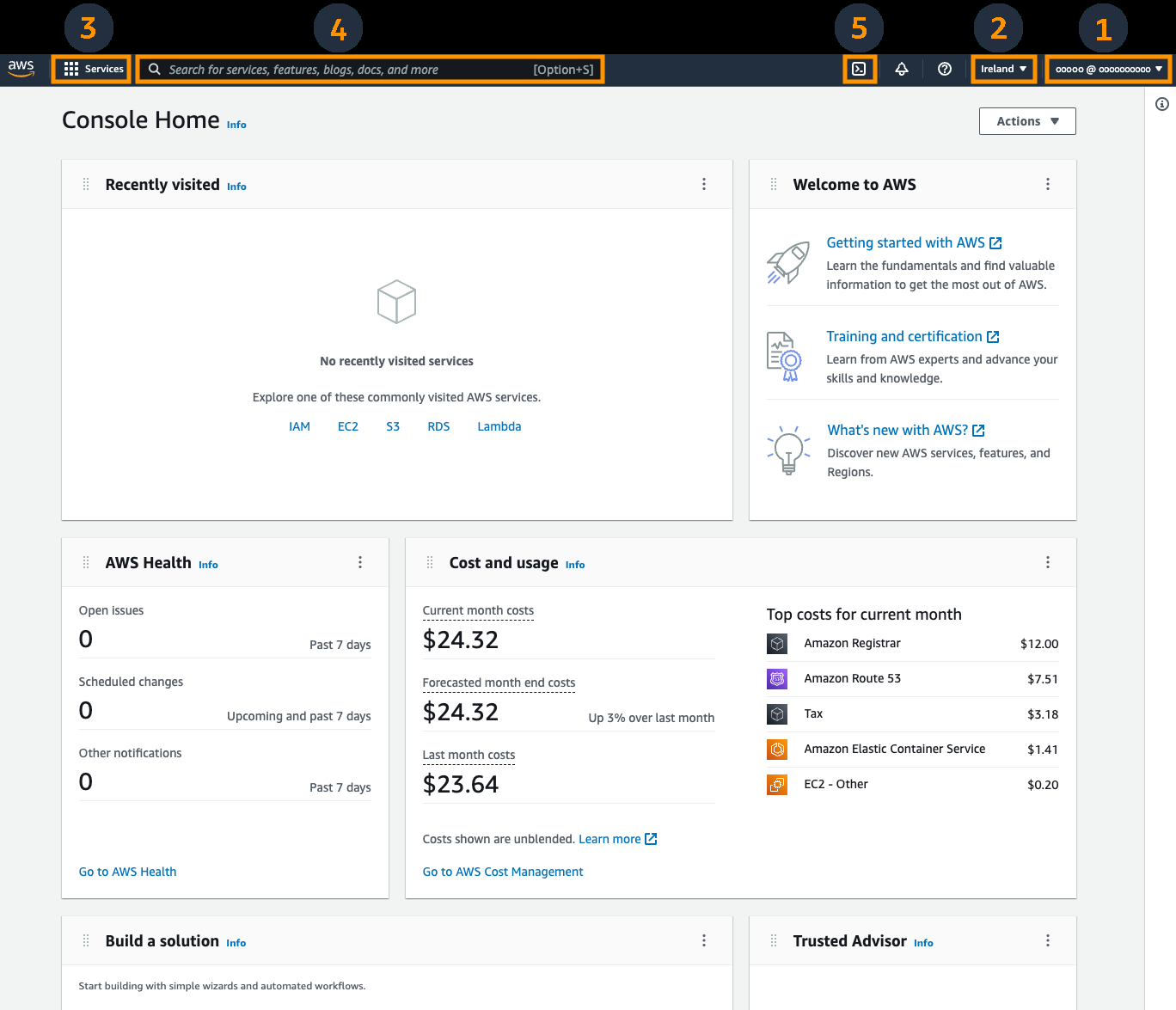
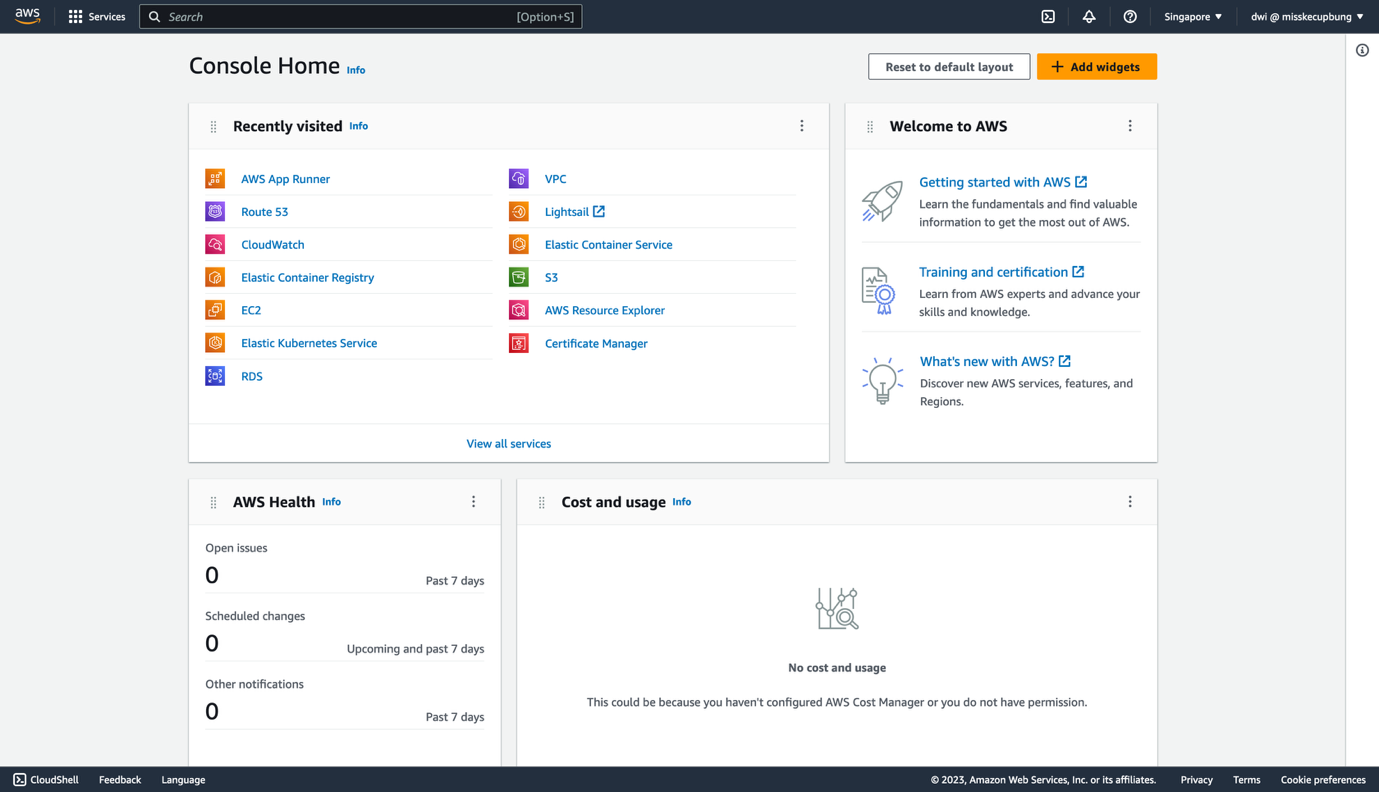
Navigation Improvements
Improved navigation header, simplified favorites management, and expanded recently visited services from 5 to 15. The result: faster service access, reduced navigation friction, and better cross-service continuity. The unified navigation system introduced centralized search, services, and notifications with access to CloudShell, billing, and settings — giving developers one mental model across all services.
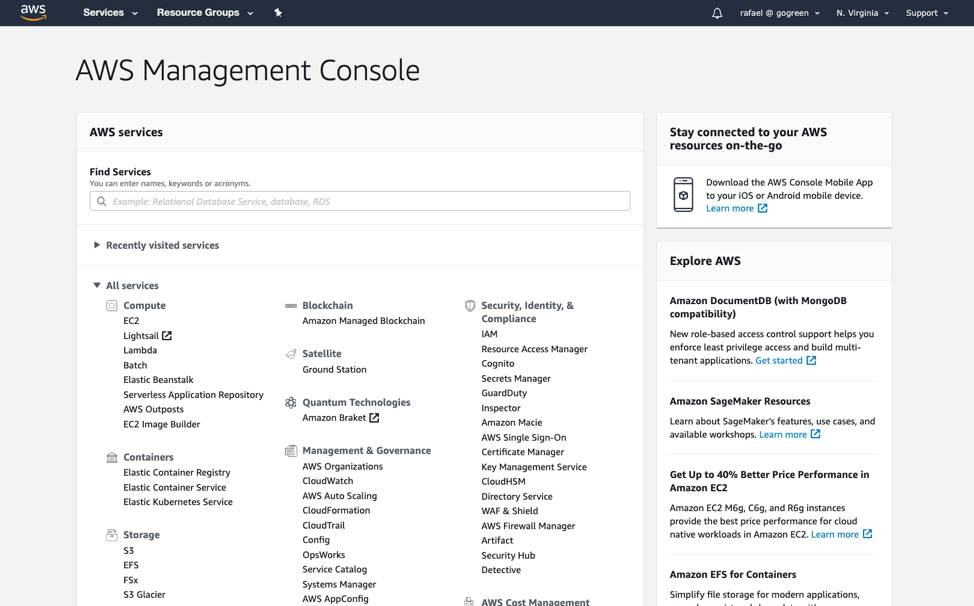
Console Home & Onboarding
We introduced widget-based onboarding — "Welcome to AWS," "Build a solution," and "Explore AWS" — explicitly guiding new users through workflows. The customizable dashboard with add/remove/rearrange widgets and shortcuts transformed the console from a tool-first to a workflow-first UX. This shift reduced onboarding friction and enabled faster first successful deployments.
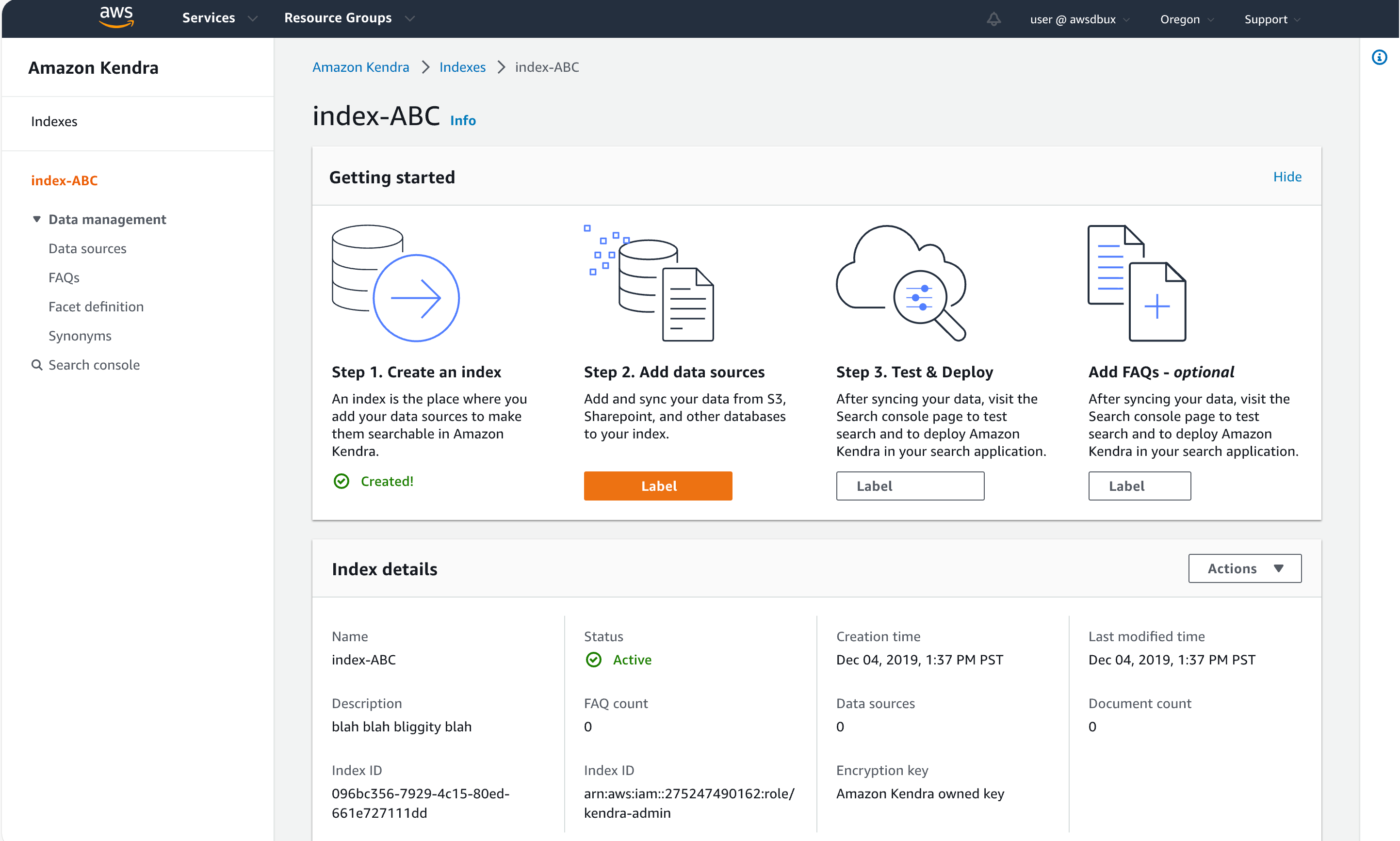
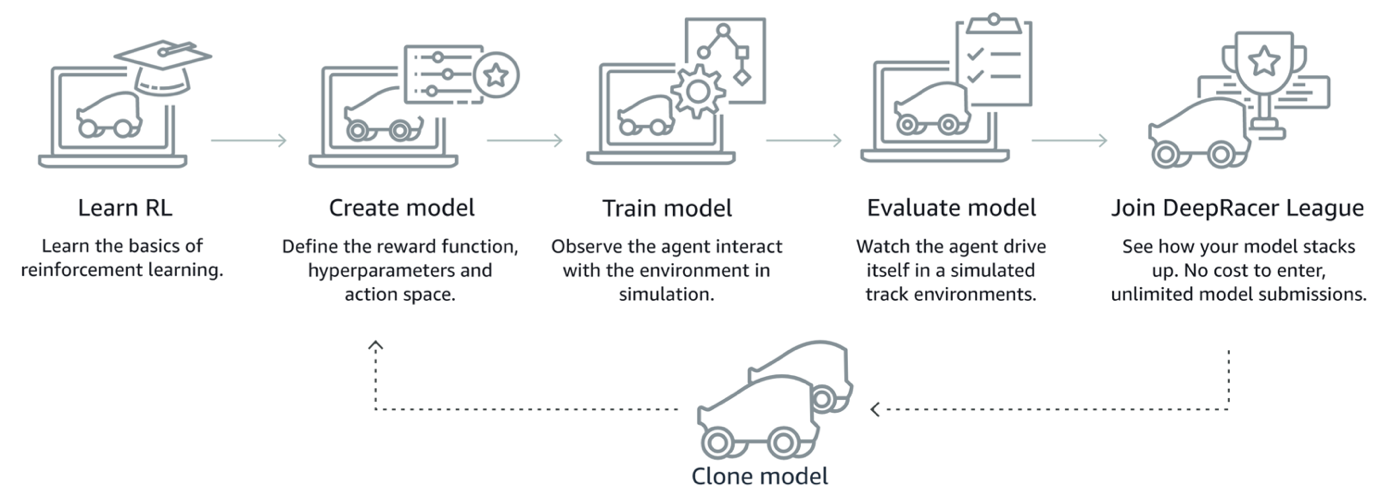
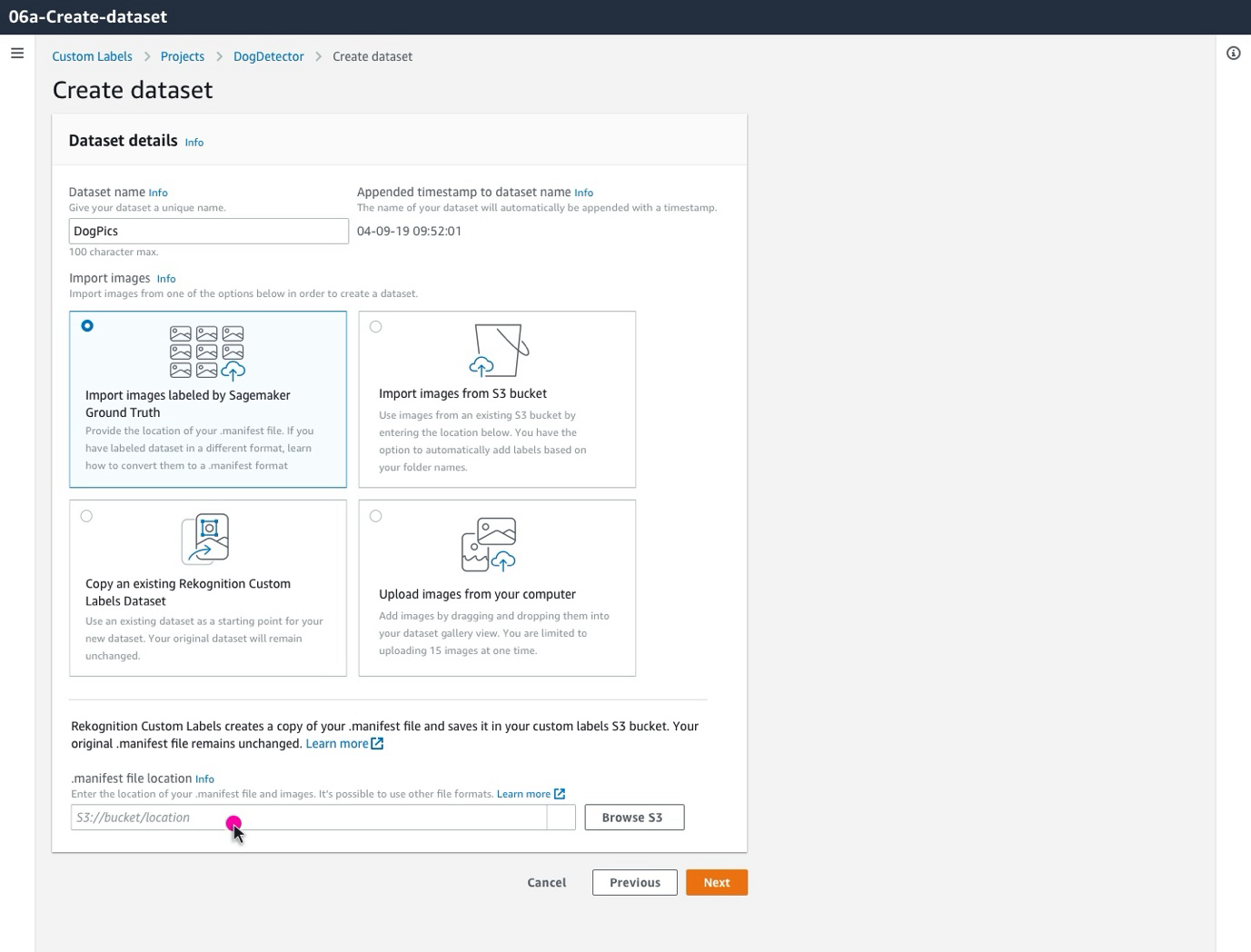
Rekognition Custom Labels — Workflow Innovation
A new end-to-end ML workflow inside the console: upload dataset → label images → train model → deploy. This shifted AWS from API-driven to guided UX-driven machine learning, enabling non-experts to build models. A strong example of workflow-first UX design and democratization of ML within AWS.

Operating Model: Daily Design Reviews
Near-daily critique sessions across teams created continuous iteration loops and raised the UX bar across a deeply engineering-led organization. This operating rhythm institutionalized design quality and scaled it horizontally across 180+ services.
Amazon Bar Raiser
One of the most amazing training in interviewing techniques I ever had. Serving as a Bar Raiser maintained Amazon's hiring bar and influenced the quality of design leadership, product thinking, and cross-functional decision-making — amplifying UX impact through organizational excellence.
The Transformation
A Team Achievement
This was never a solo effort. The AWS UX team's talent drove the majority of these contributions — through systems-level UX thinking, design standardization, workflow simplification, and daily design rigor. I was sometimes an individual contributor, but the lasting impact belongs to the team. Their work continues to shape how millions of developers experience cloud computing today.
"Peter Skillman didn't ship a product at AWS. He did something more impactful — he reshaped how developers experience cloud computing."